
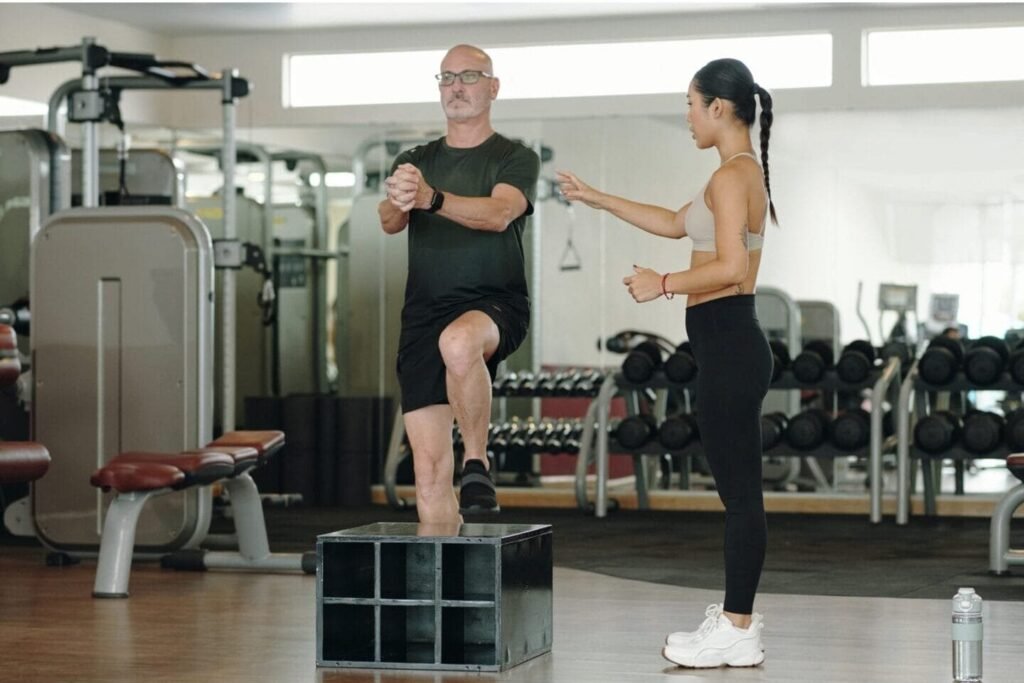
Whether it’s knee discomfort, chronic low-back tension, recurring ankle sprains, or general instability when walking, most expect stretching or strengthening exercises to be the main solution. However, one crucial component of pain-free movement is often overlooked: balance training.
Improving balance can reduce pain, prevent injuries, and restore confidence in daily activities. Whether you’re an athlete returning to sport or an adult hoping to move more comfortably, balance plays a foundational role in how your body functions.
What Is Balance Training?
Balance training is a form of therapeutic exercise that improves your body’s ability to stay stable and controlled during movement. It involves strengthening the neuromuscular system, the communication network between your brain and muscles that keeps you upright and aligned.
Clinically, balance relies on three major systems working together:
- The visual system (what your eyes see)
- The vestibular system (inner ear balance sensors)
- The proprioceptive system (feedback from your joints and muscles)
When any of these systems become weakened or disrupted, movement becomes less efficient and more uncomfortable.
Using balance exercises not only helps patients stand steadily but also helps retrain healthy movement patterns, reduce strain on painful joints, and promote safer mobility.
Why Balance Deteriorates: Common Clinical Causes
Balance issues aren’t always due to ageing, many causes are treatable when identified early in a clinical setting. Common contributors include:
- Previous injuries that disrupt proprioception
- Muscle weakness, especially in the hips, core, or ankles
- Joint stiffness or arthritis
- Post-surgical changes requiring neuromuscular retraining
How Balance Training Supports Injury Prevention
One of the biggest advantages of balance training is its role in injury prevention. Many injuries occur because the body cannot react quickly or efficiently to changes in terrain, speed, or direction. Balance work helps address this by:
1. Improving Joint Stability
Stronger stabiliser muscles around the ankles, knees, and hips reduce the risk of sprains, strains, and falls.
2. Enhancing Reaction Time
Balance exercises teach the body to respond faster when you lose alignment, helping prevent sudden missteps.
3. Building Movement Control
Better control means fewer compensations, which often lead to overuse injuries in areas like the lower back or hips.
4. Training the Body to Absorb Impact Safely
This is especially important for athletes and active adults who frequently jump, pivot, or change direction.
Final Thoughts
Balance training is more than standing on one leg, it’s a powerful, clinically proven tool for restoring pain-free movement. By improving how your body stabilises itself, you reduce strain on joints, enhance coordination, and increase confidence in every step you take.
If you’re dealing with chronic pain, recovering from an injury, or noticing increased unsteadiness, our clinic can help guide you through a personalised balance training program designed to build strength, stability, and long-lasting comfort.
About the Authors
Sameenah Navsa
Clinic Manager & Administrator, Bachelor’s of Kinesiology & Physical Education
&
Elaina Cardwell
PhysioDNA Intern Student