
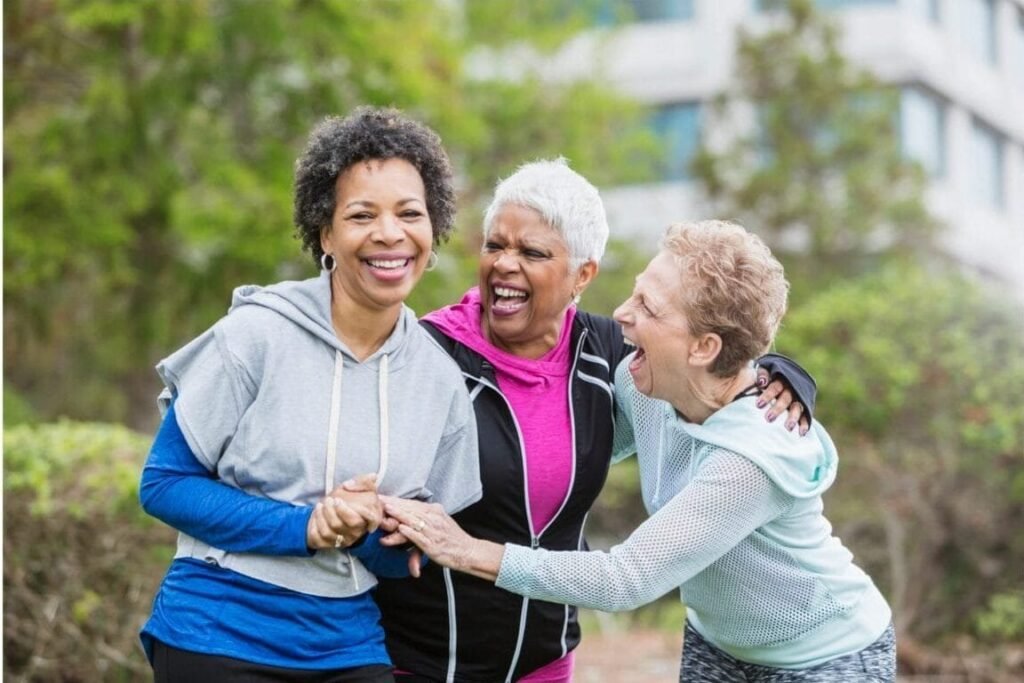
Turning 50 is a milestone that often comes with mixed feelings — a little pride, a little surprise, and sometimes a reminder that our bodies don’t bounce back the way they used to.
But the great news? Staying active after 50 doesn’t require intense workouts, gym memberships, or dramatic lifestyle changes. What truly makes a difference are small, consistent steps that support strength, balance, mobility, and overall well-being.
Whether you’re already active or just starting, these simple habits can help you stay strong, independent, and confident for years to come.
Why Small Steps Matter
Most people think they need to make big changes to see big results, but the reality is the opposite. Tiny, sustainable habits build long-term health.
Our joints appreciate gentler movement, our muscles respond well to regular use, and our cardiovascular system benefits from even short bursts of activity.
Doing something every day is far more effective than doing a lot once in a while.
- Start With Simple Daily Movements
Movement doesn’t always need to look like exercise. Daily activities add up quickly when done with intention.
Try adding:
- A 10-minute morning stretch to wake up your joints
- 1,000 extra steps a day
- Standing or pacing during phone calls
- Taking stairs instead of the elevator once or twice a day
These easy actions keep your joints lubricated, improve circulation, and reduce stiffness — especially first thing in the morning.
- Prioritize Balance (It Changes Sooner Than You Think)
After 50, balance naturally declines due to changes in muscles, eyesight, and the inner ear. Good balance reduces the risk of falls — one of the biggest threats to independence as we age.
Simple daily balance exercises:
- Single-leg stand while brushing your teeth
- Heel-to-toe walking for 1–2 minutes
- Calf raises at the kitchen counter
- Gentle ankle mobility circles
These moves activate the small stabilizing muscles that support safe walking and better posture.
- Add Strength Training (No Intimidation Required)
Strength training is one of the best things you can do after 50. It supports bone density, keeps your metabolism active, and protects you from injuries.
The good news: it doesn’t need to be complex.
Try:
- 10 squats every time you make tea or coffee
- Countertop push-ups
- Carrying grocery bags as a mini-workout
- Short resistance-band sessions
Just two 10-minute strength sessions per week can make a noticeable difference in how you feel and move.
- Stretch to Stay Mobile
Flexibility matters more as we age. Tight muscles restrict movement and can lead to discomfort in the lower back, hips, and knees — common complaints after 50.
A quick daily stretch routine can include:
- Hamstring stretch (back of thighs)
- Calf stretch
- Chest opener (great for posture)
- Hip flexor stretch (reduces back stiffness)
Even 3–5 minutes per day helps maintain mobility and reduces pain.
- Make Movement Enjoyable
Consistency comes from enjoyment. When activity is fun, it never feels like a chore.
Great options after 50:
- Walking with a friend
- Dance classes
- Swimming or water aerobics
- Gardening
- Cycling
- Yoga or tai chi
- Pickleball (hugely popular!)
Movement should bring joy — not pressure.
- Listen to Your Body
As we age, our body sends clearer signals — some to encourage, some to warn.
A few reminders:
- Mild muscle fatigue is normal, sharp pain is not
- Modify instead of stopping
- Take rest days when needed
- Celebrate progress, no matter how small
Staying active after 50 is about sustainability, not perfection.
- Support Your Activity With Healthy Habits
Movement works best when paired with good recovery. You don’t need to overhaul your lifestyle — tiny changes make a difference here too.
Helpful habits:
- Drink enough water daily
- Aim for 7–8 hours of sleep
- Add fruits, vegetables, and protein to meals
- Do 2–3 minutes of gentle stretching before bed
These support joint health, energy levels, and muscle recovery.
Conclusion: Small Steps Today, Stronger Tomorrow
Staying active after 50 doesn’t require big commitments or drastic changes. It’s about making small, meaningful choices throughout your day — choices that help you move better, feel stronger, and maintain the independence and confidence you deserve.
Start with one small step today, keep adding slowly, and you’ll be surprised at the difference it makes.
About the Author:
Elham Mozaffari
Registered Physiotherapist, Certified Pelvic Floor Physiotherapist