Physiotherapists in Toronto & Oakville | PhysioDNA
Tailored packages available

Why Physiotherapy
At PhysioDNA, we strive to help you restore your movement to get back to doing what you love. Our team of skilled physiotherapists create individualized treatment plans to meet your unique goals. Whether you are recovering from a nagging injury, managing chronic pain, or simply looking to optimize your movement and improve your health; our physiotherapists would be happy to help.
Physiotherapy is a healthcare profession focused on helping people decrease pain, improve strength and mobility, and prevent future injuries. At PhysioDNA, our physiotherapists use a combined approach of manual therapy and exercise therapy to remediate impairments and promote better function.
What to expect from our physiotherapy services
Assessment
Our physiotherapists will take you through a comprehensive assessment to obtain a detailed history of your injury, observe your movements, and examine all relevant joints and muscles to determine the root of the issue.
Treatment
We will discuss your goals and work together to develop a treatment plan that meets your needs, which may consist of manual therapy, exercise, education, acupuncture, taping, and other modalities.
Prevention
After your pain has improved, we want to help you ensure it does not return. We’ll create a long-term exercise plan aimed at keeping you strong and mobile to continue doing the things you love.
Our physiotherapists have experience treating acute and chronic injuries, whether you’ve had a sudden accident or injury or have been dealing with pain for a long time. We specialize in many different areas of rehabilitative care:Lorem ipsum dolor sit amet, consectetur adipiscing elit. Ut elit tellus, luctus nec ullamcorper mattis, pulvinar dapibus leo.
- Orthopedic physiotherapy
- Pre/Post surgical care
- Pelvic physiotherapy
- Sports physiotherapy
- Vestibular physiotherapy
OUR CLINICAL ASSESSMENT
We have 3 multidisciplinary clinics in Toronto, Bloor West Village and Oakville. Whether you require help recovering from an injury or wish to take your fitness goals to the next level, don’t hesitate to get in touch with us 24/7 through e-mail at clinic@physiodna.com, by phone at 905-338-2437 or via our online booking tool.
RESTORATIVE AND REHABILITATIVE THERAPY
We have one mission: to help you prevent pain and injury while promoting body awareness. Our clinicians use evidence-based assessments, treatments and prevention plans to ensure that you understand how to maintain a long-term healthy lifestyle.
MOVEMENT, PERFORMANCE AND WELLNESS
At our clinics in Toronto, Bloor West Village and Oakville, we recognize the need to find unique solutions for our clients. We provide custom packages with a wide range of services tailored to suit each individual’s needs whilst always striving for the best results.
How It Work
Your Path to Wellness
Our physiotherapy services can help you with a variety of conditions, including:
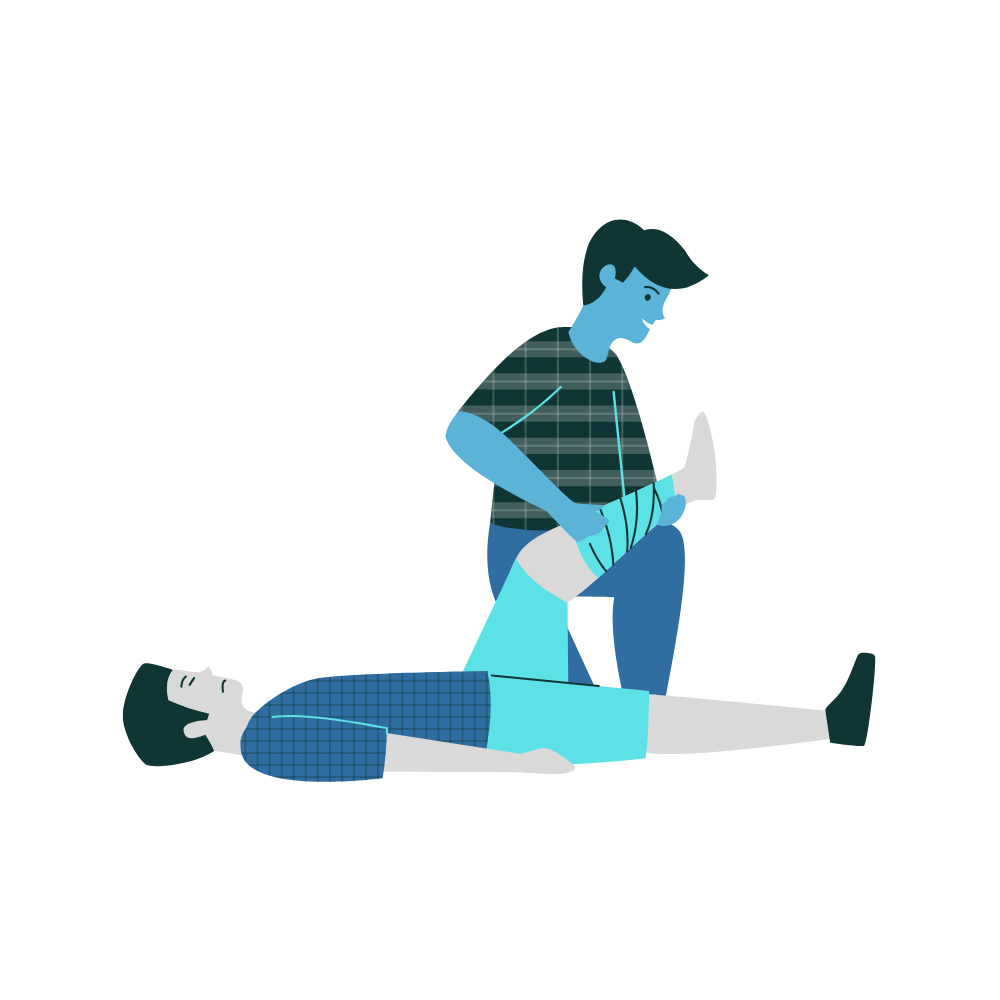
Sports injuries
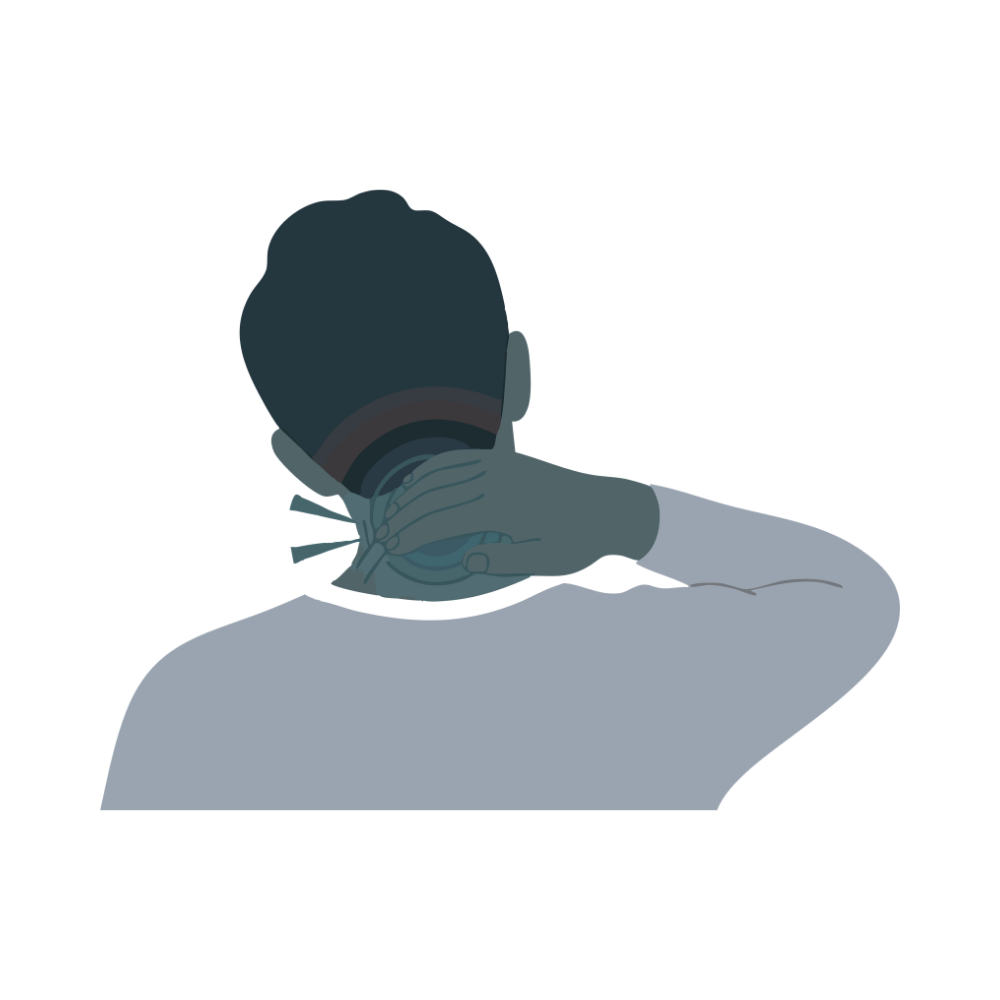
Neck and back pain
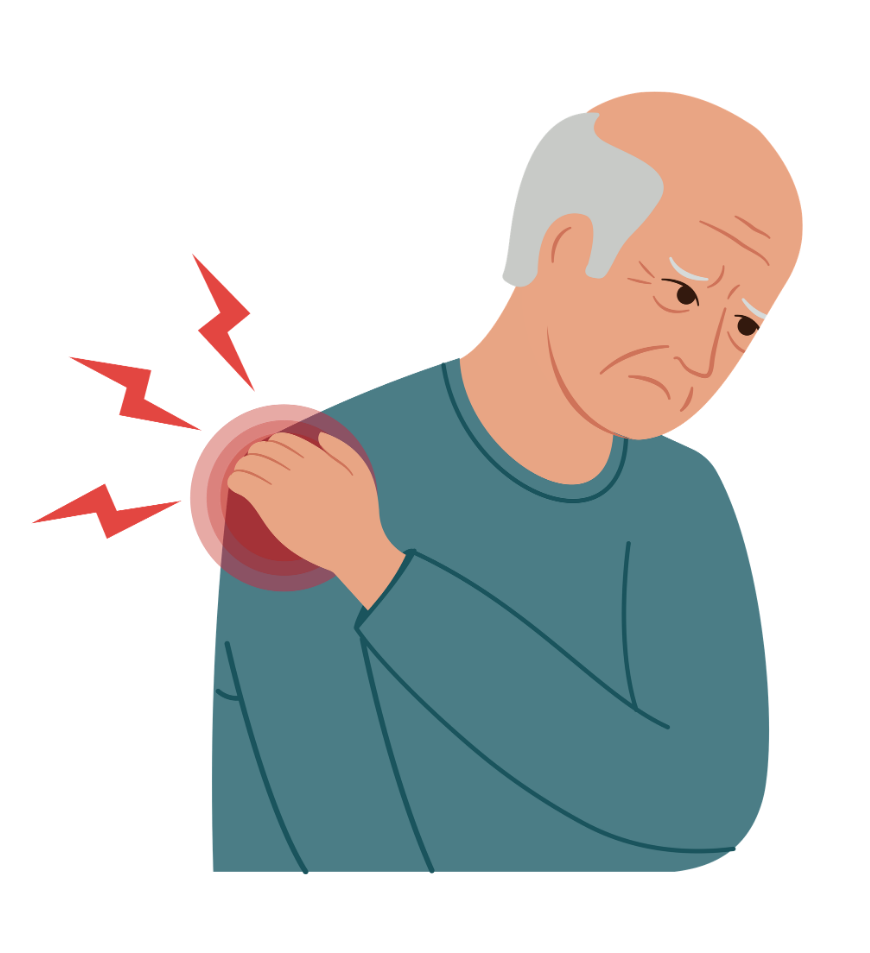
Arthritis

Joint pain
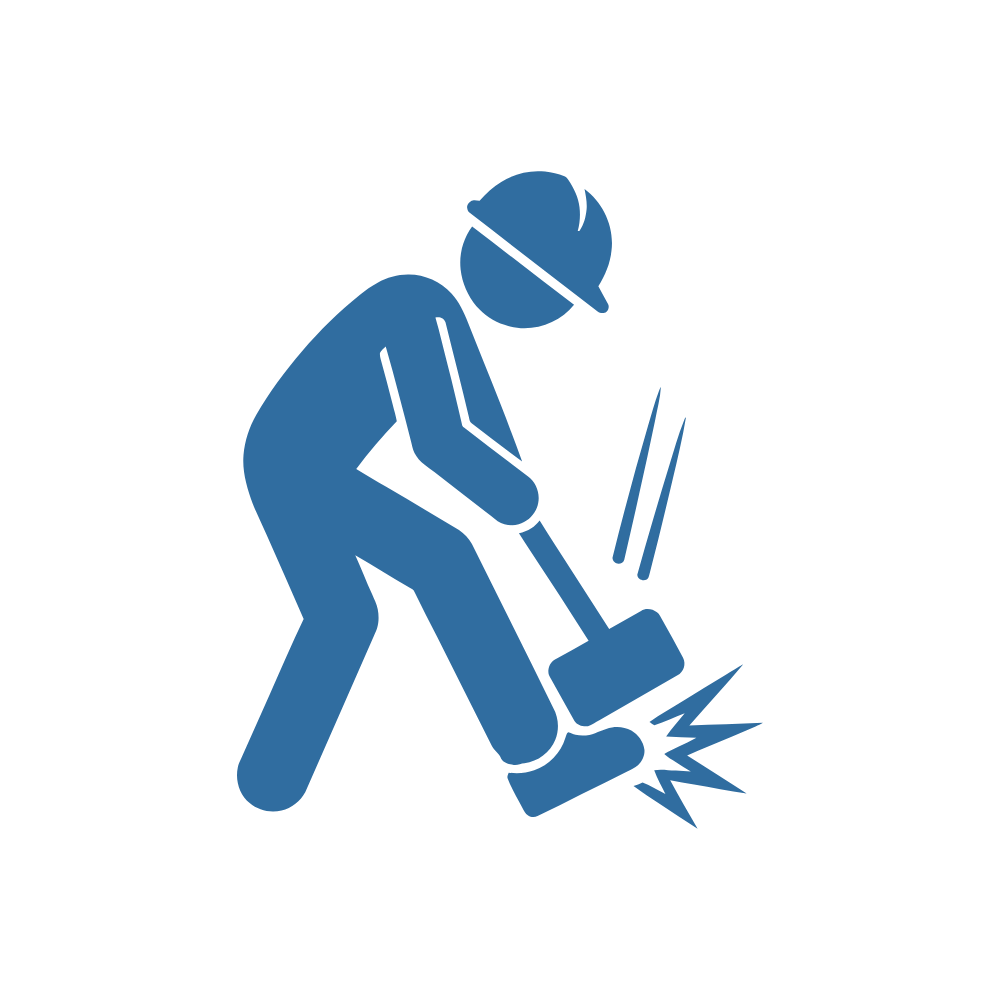
Work-related injuries

Balance problems

And much more!
Get Back to Living Pain-Free
Don’t let pain hold you back—take the first step toward a healthier, stronger you with PhysioDNA. Contact us today and let us help you move better, feel better, and live better.
What Is Orthopaedic Sports Physiotherapy?
Typically this area of physiotherapy focuses on injuries to muscles, joints, tendons, ligaments, and bones. Some of the injuries experienced can be classified as sprains, strains, fractures, overuse, ruptures, swelling, contusions, and more. The causes of such injuries can vary, following an acute or sudden accident or surgery, or can be caused by repetitive or overuse injuries. Some injuries can be chronic and longer lasting, such as osteoarthritis or ankylosing spondylitis (AS). Our highly trained physiotherapists have the experience and skills to work with acute and chronic injuries, creating tailored treatment plans to optimize function, decrease pain, and improve independence.
Is Physiotherapy Covered By Insurance?
If you have extended health benefits insurance through your work or a private insurance plan, you should be able to use these benefits for physiotherapy services at PhysioDNA. You do not need a referral for physiotherapy services at our clinic. Occasionally insurance companies may require that you need a physician’s referral to claim the treatment for reimbursement. Our administrative team can provide you with the necessary support and answer any questions you may have.
Did You Know?
Physiotherapists are considered experts in the treatment of musculo-skeletal injuries and possess in-depth knowledge of how the body works and moves.
They assist people to restore, maintain, and maximize strength, function, movement, and overall well-being. Their role includes the hands-on clinical assessment, diagnosis, and treatment of various conditions, injuries, and disabilities.Some examples of conditions treated include back pain, neck pain, knee pain, muscle tension, headaches, sciatica, sports injuries, and joint pain such as whiplash, arthritis, diabetes, spinal cord injury, nerve conditions, post-surgical, etc. Questions? Book a Free 15 minute consultation with our Physiotherapist!
Exercise Therapy
A physiotherapist is an exercise prescription expert to help patients return to their normal life. After completing education and correcting exercises, our skilled physiotherapists develop a personalized exercise program that clients can perform independently at home or in a facility to complement their weekly visits to the clinic. Functional independence is the ultimate goal in rehabilitation protocols. Research shows that retraining and strengthening muscles optimize function and support joints, preventing re-injury. Exercise therapy consists of stretching exercises for flexibility and mobility, strengthening exercises for postural alignment, aerobic exercises for conditioning, and coordination and balance exercises for overall health.
Is Physiotherapy Required Before A Surgery And After Surgery?
A pre-rehab program is a crucial step in establishing a positive training routine before surgery and during recovery for better outcomes. Five reasons to undergo physiotherapy before surgery include:
- Strengthening muscles before surgery help you return to your routine quicker, and recovery should be smoother.
- Physiotherapy techniques, especially those incorporating exercise routines, can increase strength and endurance, improving general immunity and making infection less likely.
- Pre-rehab can help lessen current suffering and the likelihood of severe pain after surgery through approaches like exercise, massage, or cold and heat treatments.
- Pre-rehab can improve surgery outcomes and even save money if everything goes smoothly. The stronger you are before surgery, the more likely the surgery will be successful.
- Some patients have found their pre-surgical therapy treatments to be effective enough to cancel their operation. If your health improves significantly after starting physiotherapy, consult your medical team of professionals about future treatment choices and the possibility of avoiding surgery.
Following a successful operation, skilled surgical methods, competent nursing care, and a comprehensive rehabilitation program, Physiotherapy begins in the hospital, when patients are taught how to manage edema, pain, and other complications. Following discharge, a qualified physiotherapist from PhysioDNA can help you achieve your goals and get you back on track. The program begins with a physical assessment of the patient and then identifies the appropriate treatment approach. Postoperative physiotherapy often includes a focus on pain control and tissue healing, with a combination of conditioning exercises, strengthening exercises, and functional rehabilitation. We will collaborate with your surgeon to ensure specific rehabilitation protocol requirements are met.
Some Of Common Types Of Surgeries That Are Seen And Are Treated By Our Practitioners At PhysioDNA Include:
- Elbow and Wrist – Tendon and ligament repair, injection, and fracture
- Shoulder – Fracture, rotator cuff repair, arthroscopy, decompression, joint repair, injection
- Hip – Injection, hip replacement, arthroscopy, labral tear
- Knee – ligament, ACL repair, tendon, cartilage, arthroscopy, knee replacement, injection
- Ankle Foot – bunion, fracture, arthroscopy, ligament repair and joint replacement
Everything is dependent on the nature and location of the fracture. Always visit your surgeon or primary care physician to determine whether it is safe to begin physiotherapy. It is important to note that, early intervention prevents complications. Even with simple fractures, physiotherapy may be required to control pain and swelling and to prevent problems associated with immobility. Within a few days of the incident, a safe exercise regimen to avoid deconditioning, strengthen muscles, and reduce stiffness in nearby joints and muscles can begin.
At PhysioDNA, we believe in an approach that focuses on manual therapy and exercise. Manual therapy is a treatment method involving hands-on techniques used to treat acute and chronic conditions, often reducing pain medication use. It restores joint and soft tissue mobility, enhances biomechanics, and results in a healthy body ready for an active lifestyle. Exercise can be used to prevent injury from recurring on a long-term basis. Other hands on techniques also include joint mobilization, Soft Tissue Mobilization (STM), Active Release Technique (ART), and nerve glides, all of which improve joint and tissue mobility, blood circulation, tissue healing, and overall promote a faster recovery.
Additional Info
Prevention: Maintain A Toned Physique.
Prevention is a key role for Physiotherapists. Physiotherapy promotes toned muscles and most physiotherapy patients find they have gained strength and muscle and lost fat after a few weeks of consistently going to their therapy sessions and performing their home exercises regularly.
What will my physiotherapy appointment look like?
What will my physiotherapy appointment look like?
Our skilled therapists will conduct a detailed subjective and physical assessment to evaluate your muscle flexibility and strength, joint mobility, and functional movements to determine how we can help optimize these systems to help you meet your goals. Your therapist may also provide you with some exercises and/or stretches to practice independently at home between sessions to help accelerate your rehabilitation plan and recovery.
What conditions can our physiotherapists help to treat?
Our physiotherapists are also trained in acupuncture, pelvic health physiotherapy, vestibular rehabilitation , and post-concussion rehabilitation.
What conditions can our physiotherapists help to treat?
Common conditions we see in the clinic (not an exhaustive list) include:
- Headaches
- Neck pain/stiffness
- Frozen shoulder
- Thoracic outlet syndrome
- Cervical radiculopathy
- Tennis elbow
- Carpal tunnel syndrome
- Disc herniation
- Sciatica
- IT Band Syndrome
- Patellofemoral pain syndrome
- Post-surgical recovery
- Ankle sprains
- Plantar fasciitis
Suffering from a new injury
Suffering from a new injury or a chronic one that is leaving you in pain or unable to live an active lifestyle? A Physiotherapist is a key piece to solving these issues. Physiotherapists focus on understanding your body, providing solutions to support alleviating pain and stiffness, assisting with mobility and strength, all while attaining functional goals to allow for an active body. Physiotherapists are experts in analysing posture and common injuries caused by postural dysfunctions that can lead to increased pain and discomfort. Posture can be managed conservatively through understanding your body and what the root cause of the issues may be. Stretching and strengthening can be a huge factor in treating postural conditions.
Our physiotherapists are experienced in providing treatments that can focus on prevention through stretching, strengthening and stability programs. Depending on what your body needs, a more movement-based approach may be beneficial. The team at PhysioDNA uses multiple treatment styles to get the desired results without the unwanted and harmful risks that some drugs and surgeries can have.
Custom Approach
No two bodies are made the exact same. Our approach at PhysioDNA is individualised based on your body type, activity level, injury, posture, and goals. We tailor solutions based on your assessment. We work with you to create a plan that targets your body and works with your schedule to get you the results you need.
How Should I Prepare For My Visit
Feel free to come to your appointment wearing clothing that you would feel comfortable moving in. In most cases if you can bring a t-shirt or shorts (especially if we are looking at your knee or shoulder), it allows for the therapist to be able to access and observe the area better. Should you feel uncomfortable with this, not a problem, we can work with you to find solutions that you are comfortable with.
If you have notes, reports, images that are relevant to your injury from your doctor or specialist please feel free to email then to the clinic ahead of time: clinic@physiodna.com or bring a physical copy to your appointment to allow the therapist to review them.
Our physiotherapists are all educated with the highest University accreditations, members of the College of Physiotherapists of Ontario.
Help & Support
Personal Independence and the pursuit of the perfect posture.
Injury can easily effect activities of daily living and occupational performance. Pain can be a major barrier inhibiting personal independence, through limitation in movement and function. Would you like to be one of those people who seem to naturally have great posture? Physiotherapy can help you get there. While good posture requires thought and effort at first, over time it gets easier. It also becomes more natural as you strengthen your core muscles, which a physiotherapist can help you do.
Frequently Ask Question
General Questions
A standard physiotherapy treatment program varies with the disorder in focus and may take from a few weeks up to several months. With respect to the treatment of acute injuries, a useful plan may span 4 to 6 weeks, while chronic conditions or post-surgery rehabilitation may take more than a month. Duration is based on deliberate individual monitoring to track the patient’s progress, with physiotherapists regularly assessing the patient to redesign the treatment policy as applicable for the best healing strategy.
One of the post-surgery forms of treatment available is physiotherapy, which helps to accelerate the recovery process, improves movement and enhances strength. Patients’ pain relief and the prevention of the development of scar tissue through mobilization and other methods are also the internal objectives of every rehabilitation program. In order to achieve this, a rehabilitation program is designed so that normal activities are gradually reintroduced after the surgery to facilitate the healing process and reduce the risks of complications. After the surgery, physiotherapy treatment is important in stopping muscle wasting and maintaining one’s overall fitness.
At Physio DNA, the physiotherapy treatments employ different techniques as per individual demands, such as manual therapy for hands-on treatment, therapeutic exercises to enhance range of motion and strength and modalities such as ultrasound or electrical stimulation to relieve pain and swelling. There are also soft tissue techniques that include dry needling, cupping, and myofascial release that speed up recovery among patients, creating a more complete form of treatment.
Yes, physiotherapy treatments are suitable for all age groups. It can be customized to meet the unique needs of individuals, from children to seniors. Whether it’s helping infants with developmental issues, adults recovering from injuries or surgeries, or seniors managing chronic conditions and improving mobility, physiotherapy offers customized treatments. It focuses on restoring movement, reducing pain, and improving quality of life regardless of age or physical ability.
No, in the majority of cases, a physician’s referral is not necessary before embarking on physiotherapy treatment. A person can schedule an appointment with a certified physiotherapist to commence therapy immediately. Some insurance policies, however, may require a patient to obtain a physician’s referral in order to get reimbursed. This is why it is important to clarify with one’s insurance provider regarding their policy on this matter prior to undergoing treatment. Always speak to the physiotherapy clinic about the particulars.
The number of physiotherapy sessions you will need will vary according to your condition and the objectives of your physiotherapy treatment. In most cases, it is recommended to attend sessions one to three times per week to achieve the best results. However, your physiotherapist will evaluate your progress and adjust a plan according to your needs, which may encompass changing the frequency of sessions as well. Regular attendance and adherence to the home exercise program will promote your recovery and significantly improve overall results. Please seek your physiotherapist’s guidance for more specific advice.
- +1 (416) 594-6889
- clinic@physiodna.com
WE’RE OPEN
- MON-FRI - 8:00 A.M. – 09:00 P.M.
- SAT - 09:00 A.M. – 02:00 P.M.
If for whatever you need us to contact you, complete the information
and we’ll contact you within 2 hours.