Physiotherapists in Toronto & Oakville | PhysioDNA
Tailored packages available
Why Acupuncture
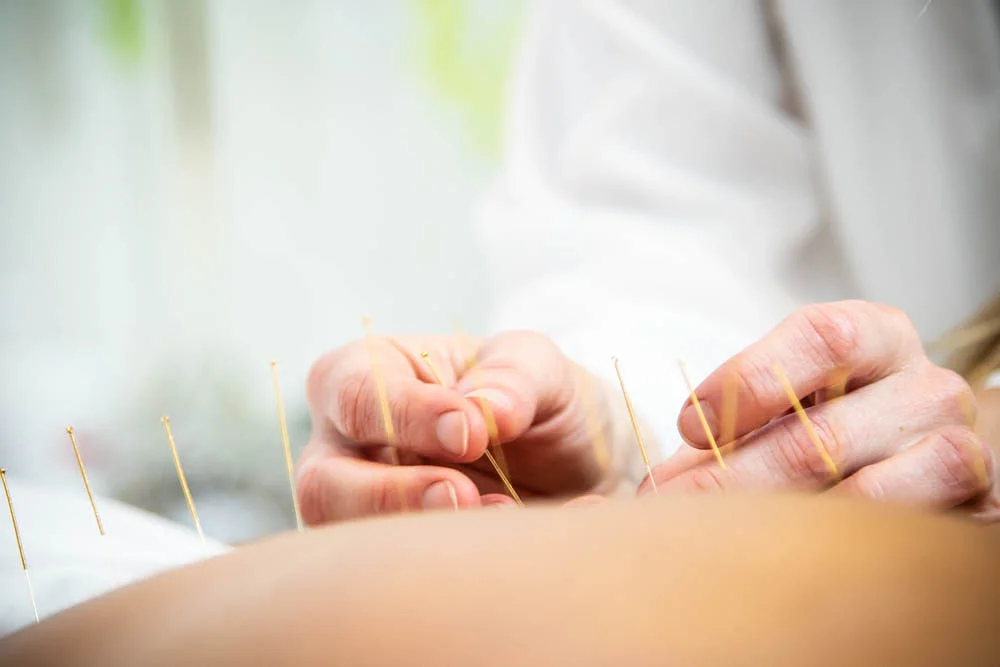
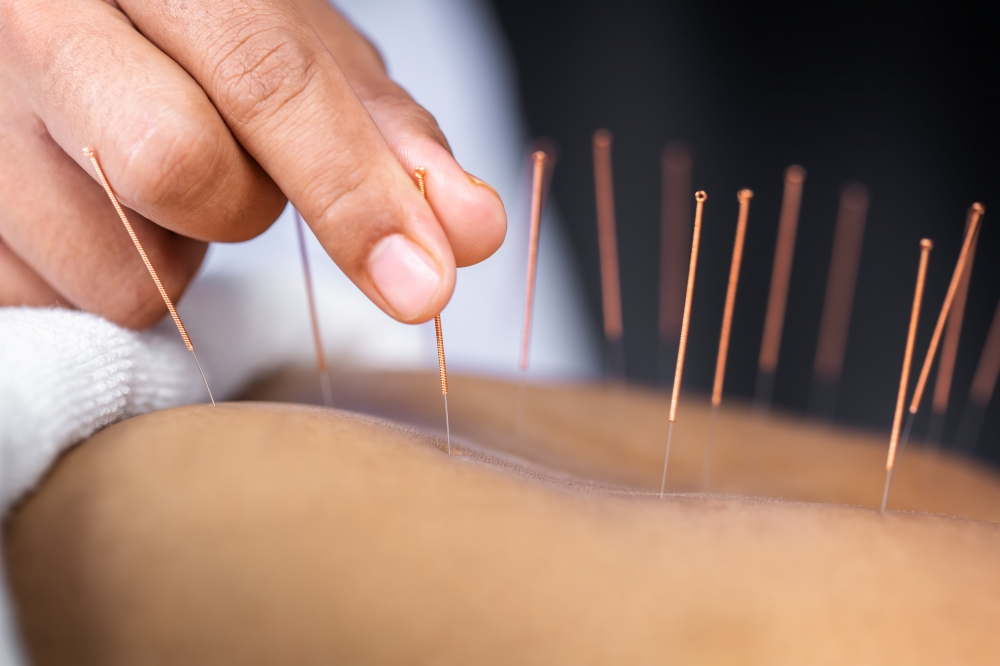
Acupuncture uses very thin needles to stimulate different pressure points along the meridian system. At PhysioDNA, some of our physiotherapists and chiropractors have taken extra training to provide acupuncture as a therapeutic modality. Needling acupuncture points stimulate the nervous system to release chemicals in the muscles, spinal cord, and brain, altering pain experiences or influencing the body’s biochemical balance. It is often used in conjunction with physiotherapy, chiropractic, and massage as a complementary treatment. There are different types of acupuncture aside from traditional medical acupuncture that a practitioner may provide, including dry-needling and neurofunctional acupuncture.
OUR CLINICAL ASSESSMENT
We have 3 multidisciplinary clinics in Toronto, Bloor West Village and Oakville. Whether you require help recovering from an injury or wish to take your fitness goals to the next level, don’t hesitate to get in touch with us 24/7 through e-mail at clinic@physiodna.com, by phone at 905-338-2437 or via our online booking tool.
RESTORATIVE AND REHABILITATIVE THERAPY
We have one mission: to help you prevent pain and injury while promoting body awareness. Our clinicians use evidence-based assessments, treatments and prevention plans to ensure that you understand how to maintain a long-term healthy lifestyle.
MOVEMENT, PERFORMANCE AND WELLNESS
At our clinics in Toronto, Bloor West Village and Oakville, we recognize the need to find unique solutions for our clients. We provide custom packages with a wide range of services tailored to suit each individual’s needs whilst always striving for the best results.
How It Work
Your Path to Wellness
What conditions can acupuncture be used for?
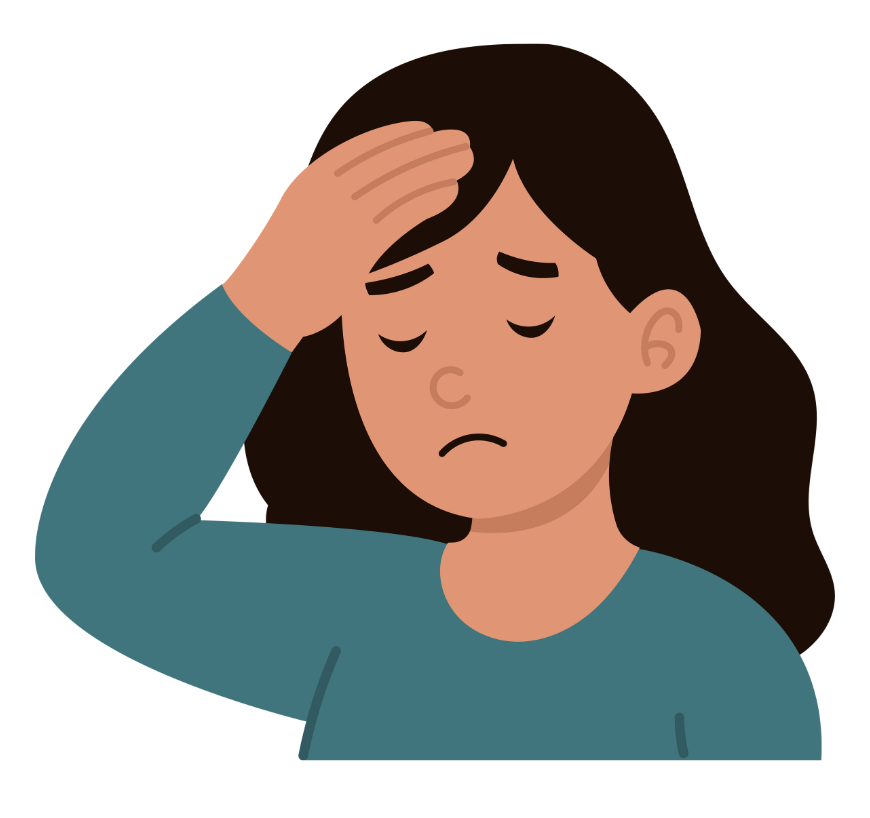
Headaches & Migraines
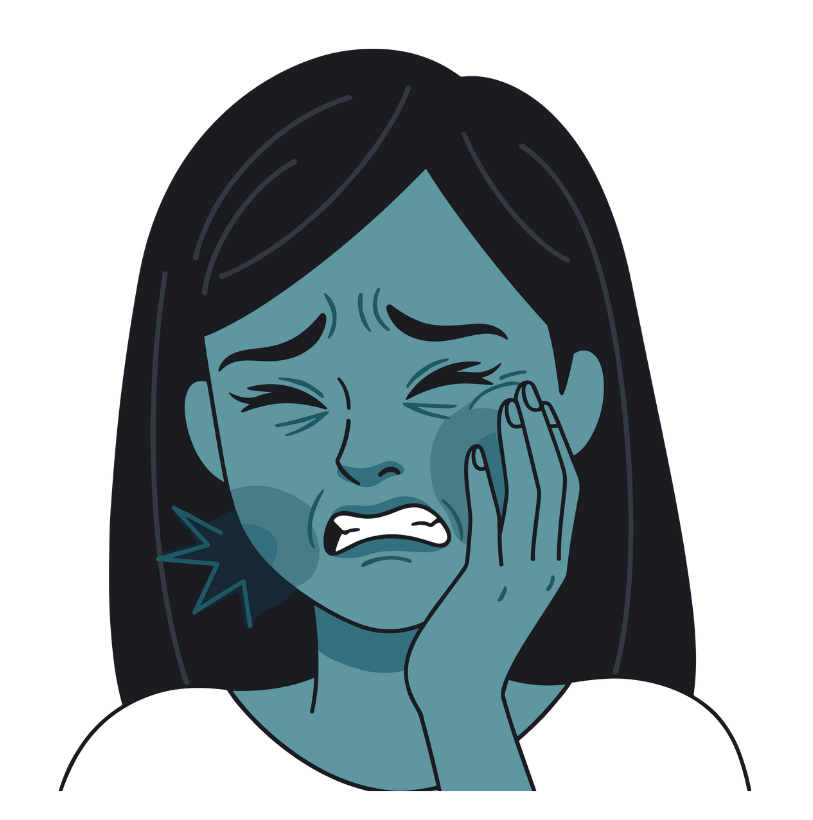
Jaw joint pain (TMJ)
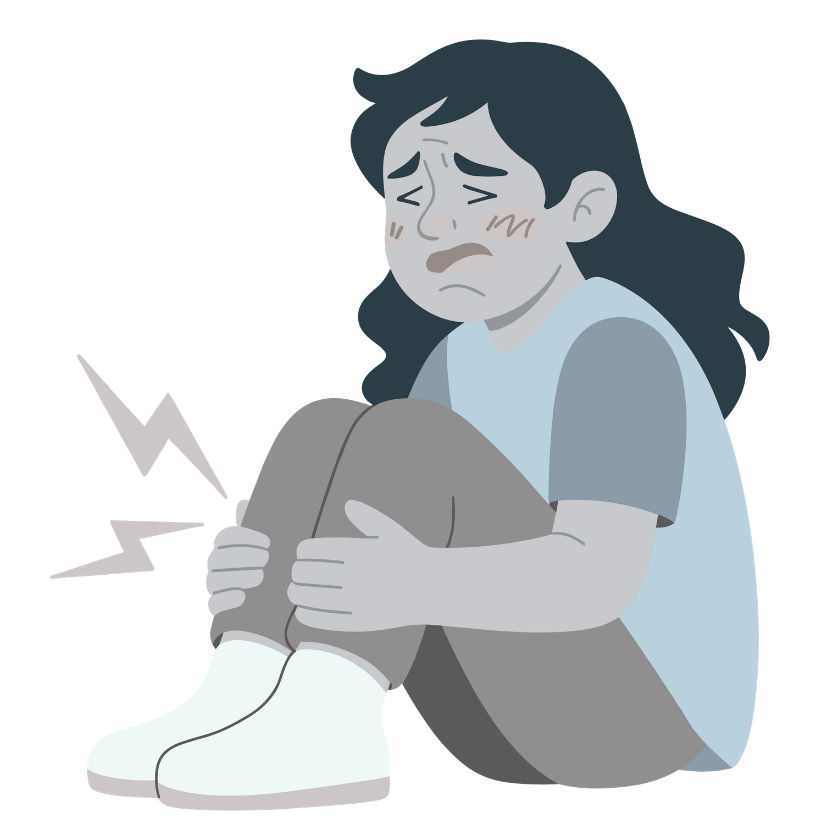
Acute and chronic pain
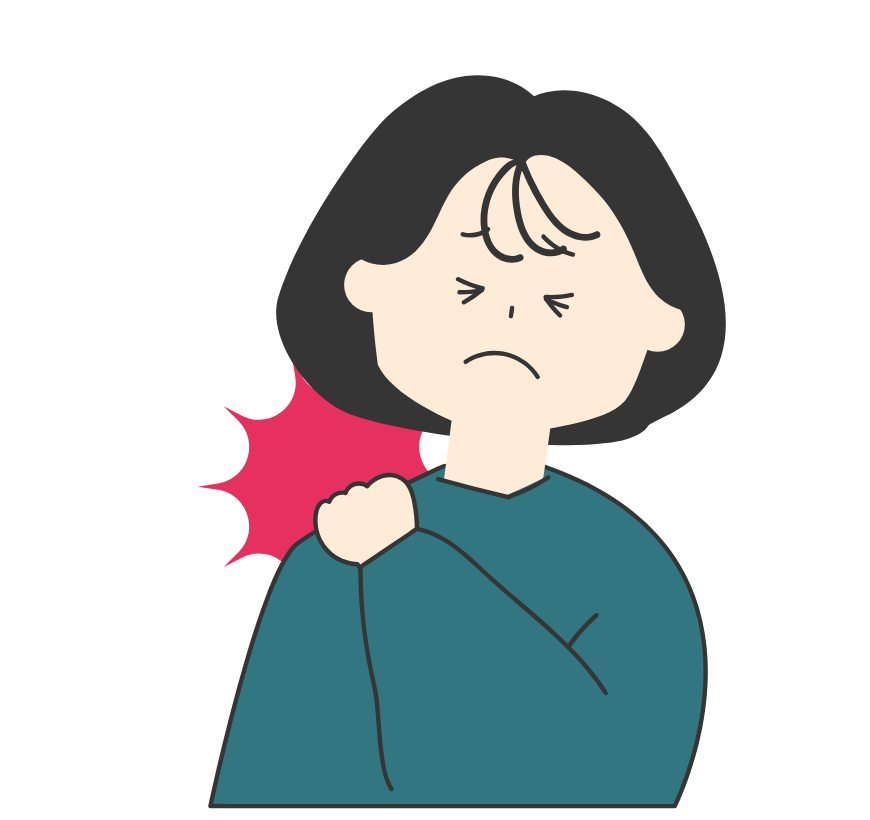
Shoulder injuries
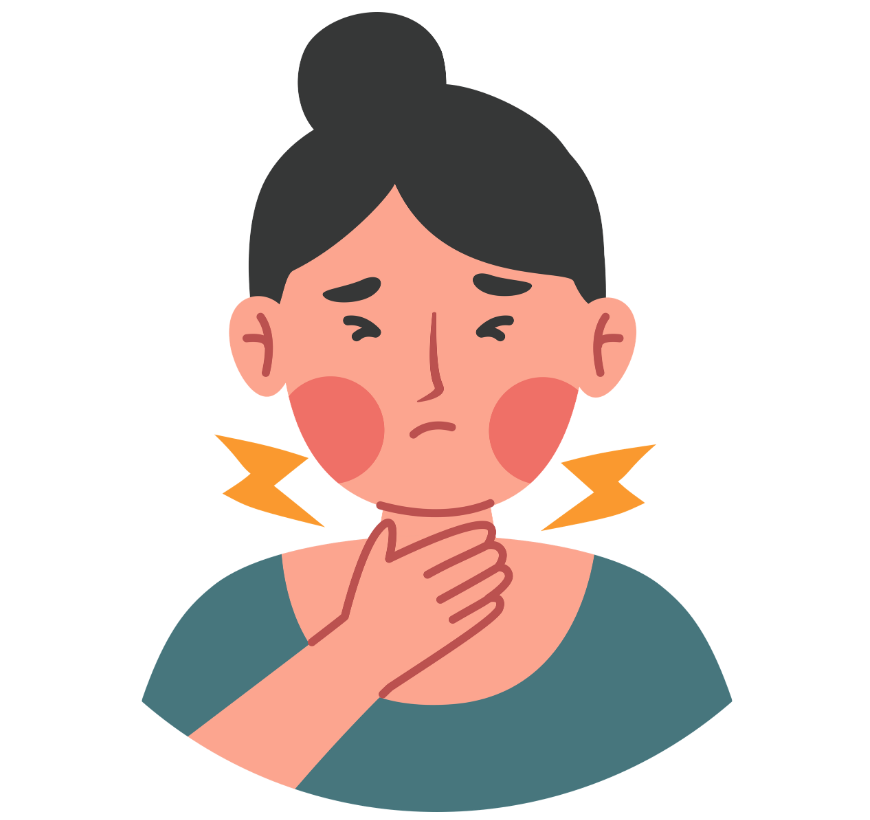
Neck pain
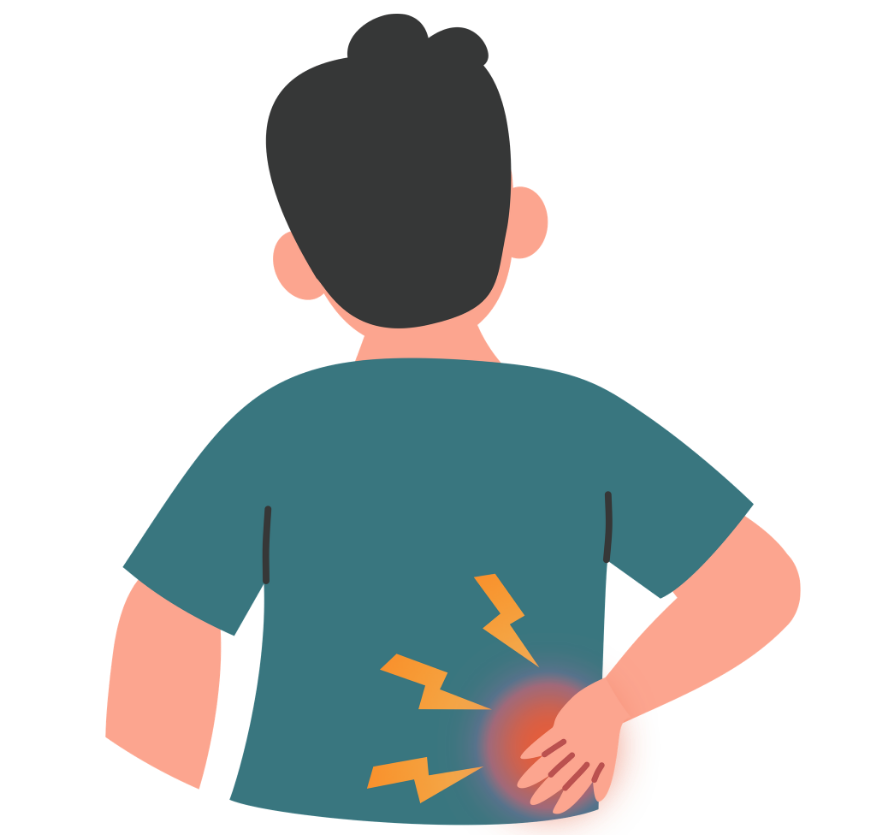
Back pain
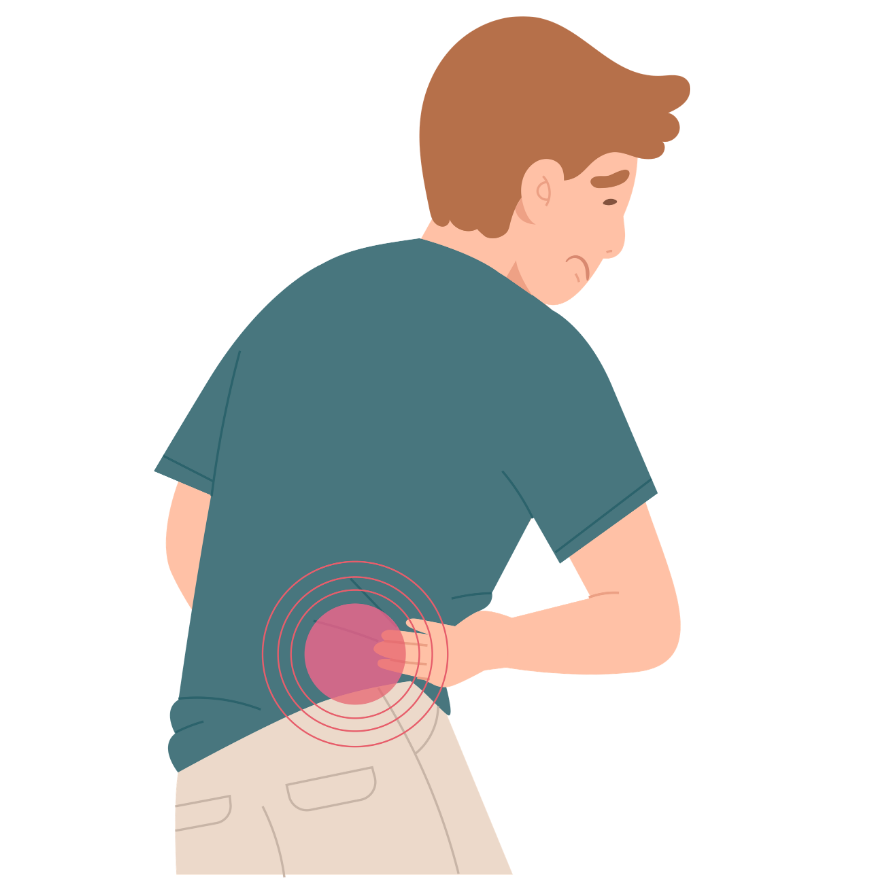
Sciatica
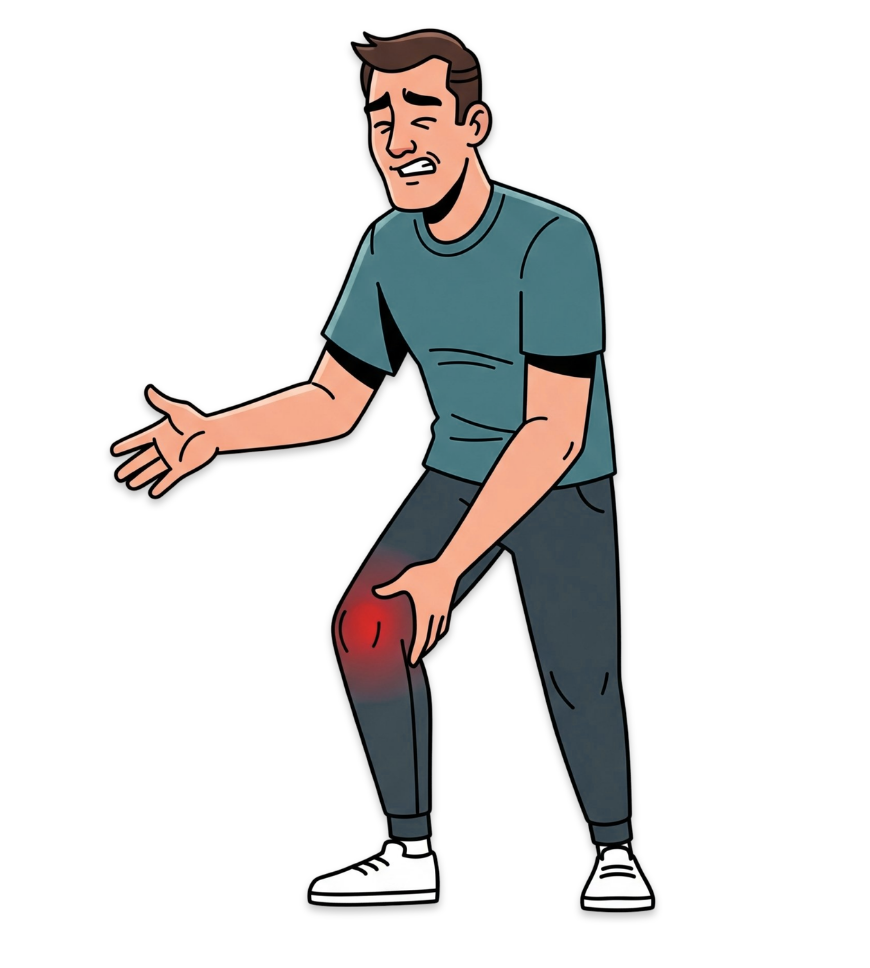
Poor circulation
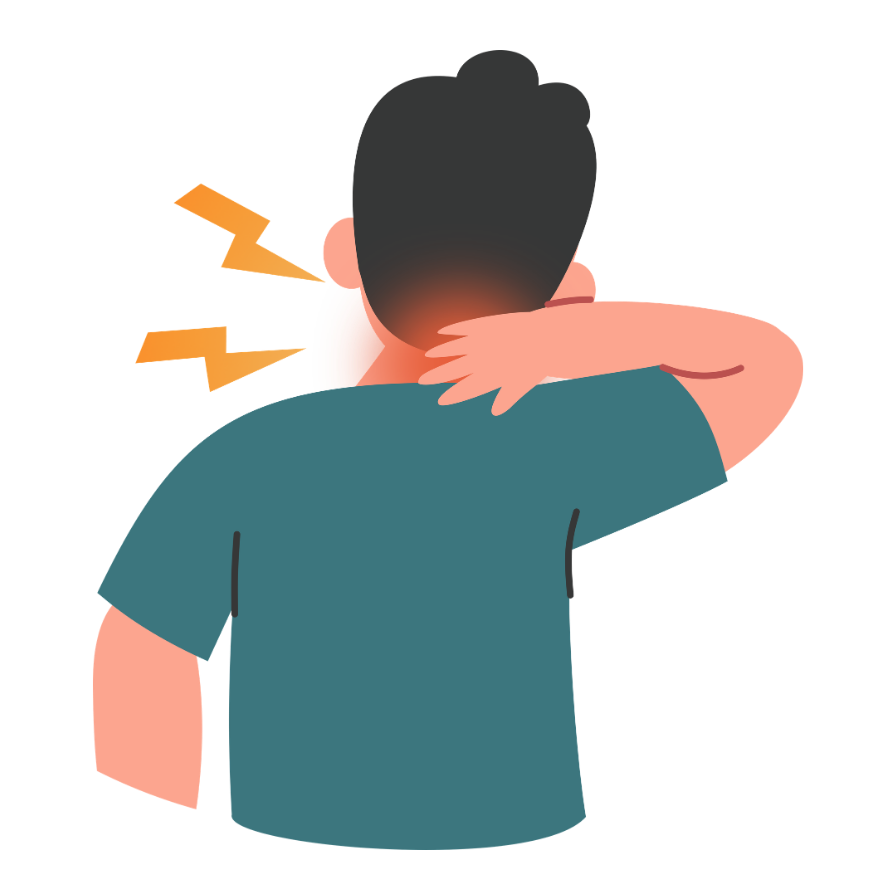
Nerve pain
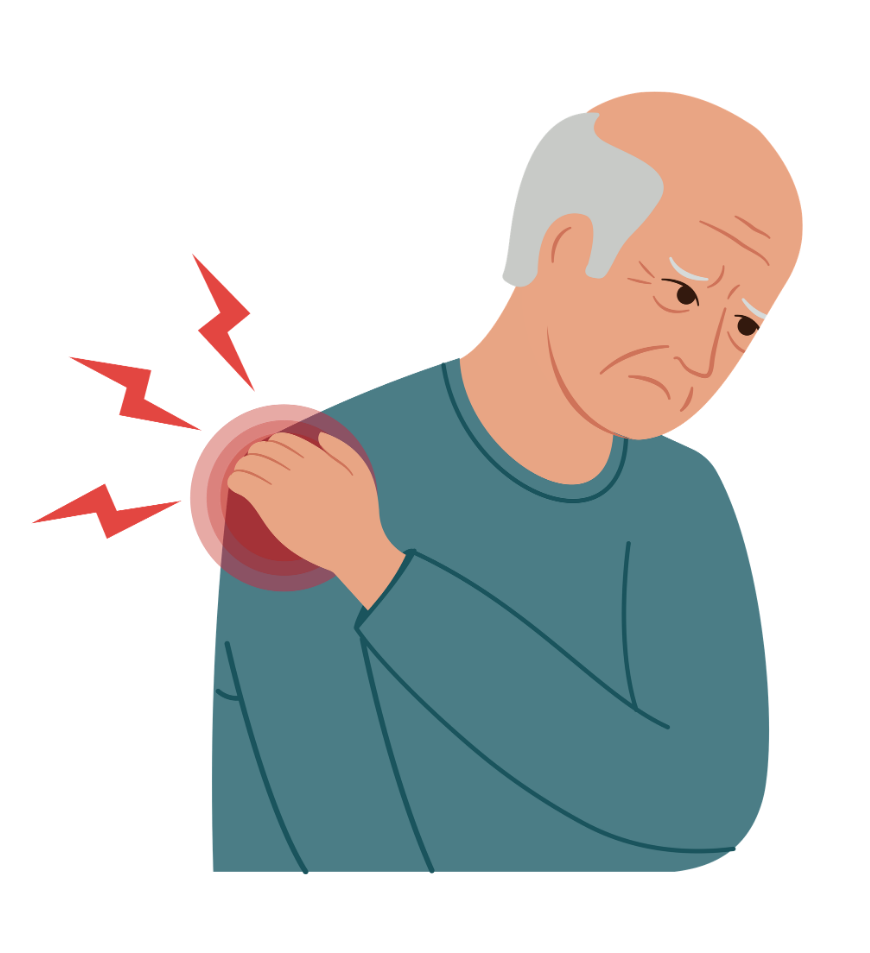
Arthritis
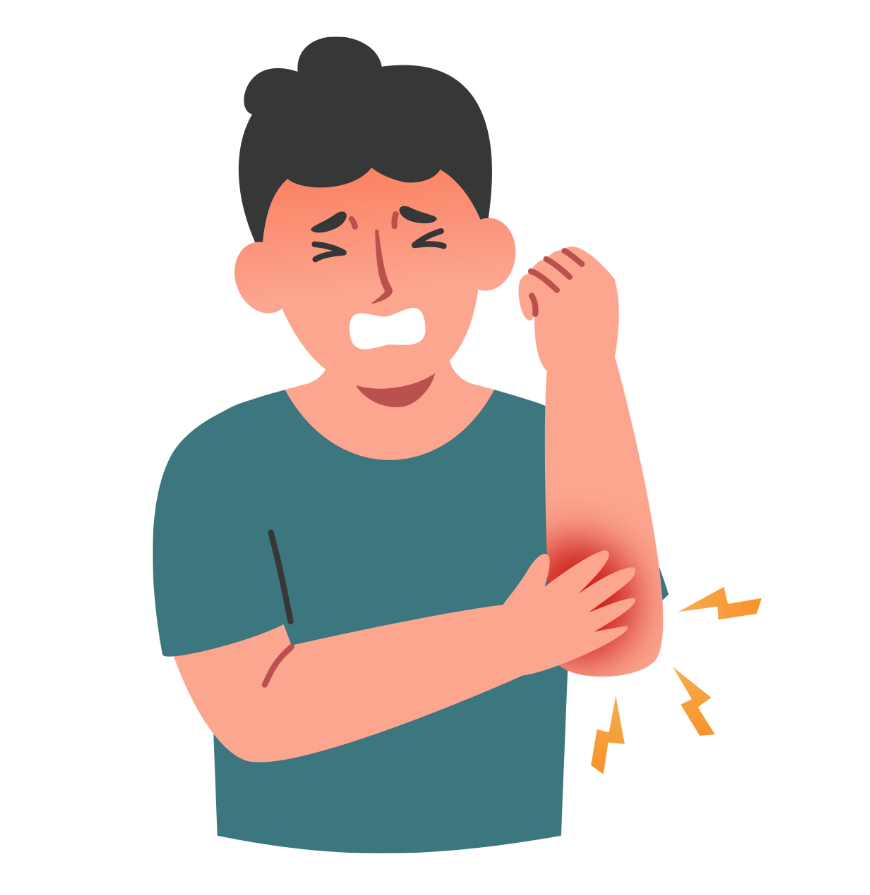
Joint inflammation
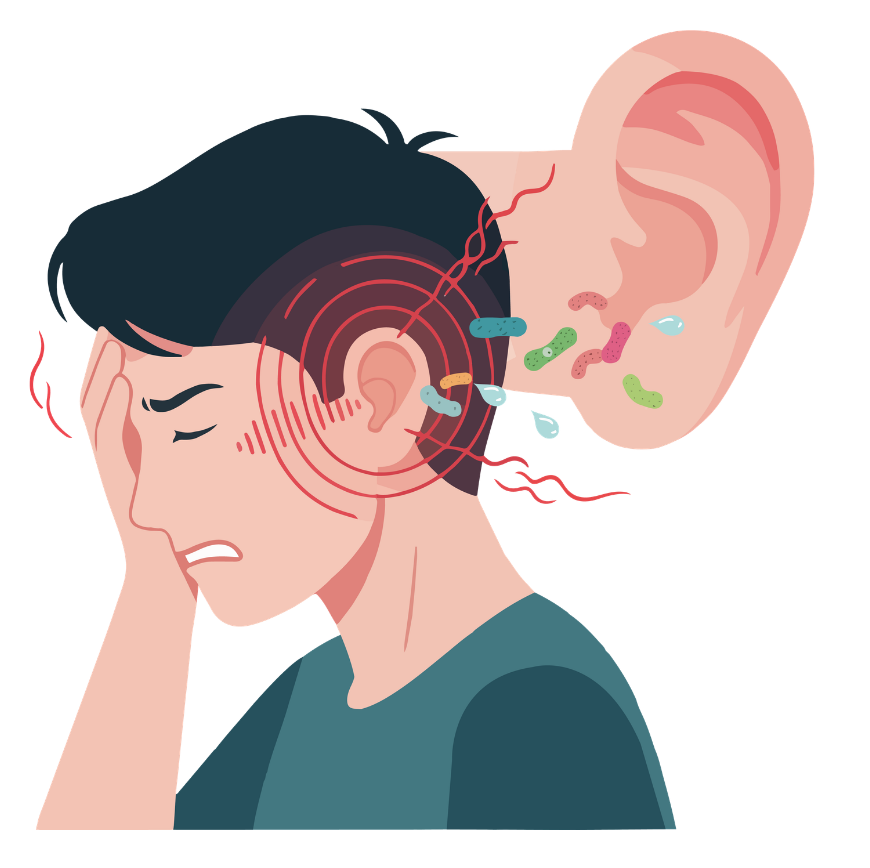
Sinusitis
Get Back to Living Pain-Free
Don’t let pain hold you back—take the first step toward a healthier, stronger you with PhysioDNA. Contact us today and let us help you move better, feel better, and live better.
What is the difference between
Medical acupuncture and traditional acupuncture?
Acupuncture is a method of stimulating specific body points to promote healing, control pain, and normalize function, often used by physiotherapists, chiropractors, and massage therapists within their respective practices. Traditional acupuncture, also known as traditional chinese medicine, is a treatment method based on the principles of imbalances in the body to restore the flow of energy and normal body function. Traditional chinese medicine practitioners may treat similar conditions as medical acupuncture, with a goal of reducing pain and restoring function.
Neurofunctional Acupuncture involves stimulation of acupuncture needles with a mild electrical current. The electrical current is not painful, it feels more like a gentle vibration. Is it thought to stimulate the central nervous system and provide an analgesic (pain relieving) effect. Electroacupuncture has a multi-level effect in the central nervous system to change the body’s perception of stimuli, instead of perceiving something as pain. Gentle electrical stimulation can ‘reset’ the central nervous system to restore normal pain perception and optimize movement. In this type of acupuncture, needles are often left in for a sustained period to allow for its effects.
Dry Needling is a technique that similarly uses thin needles to treat pain and movement issues. Rather than targeting acupuncture points along the meridian system, dry needling targets myofascial trigger points. Trigger points are knotted areas in your muscles that may contribute to increased tension and pain. Dry needling stimulates trigger points to increase blood flow to the area, release tension, and stimulate nerve fibers that will cause your brain to release endorphins. In this type of acupuncture, needles may be moved around the muscle to locate the trigger point and elicit a twitch response (a small spasm of your muscle – indicating it is reacting!).
Is acupuncture covered by insurance? Many of our therapists may use acupuncture as part of their physiotherapy or chiropractic treatment, and therefore it can be covered if you have private insurance.
Is neurofunctional acupuncture or dry needling right for your condition? Schedule a consultation with one of our registered therapists to review if this is the right modality for you.
Did You Know?
Chinese Medicine.
Chinese Medicine has always been a physical medicine, based on real anatomy, not an energy based medicine. Everything that our body needs in order to function it receives from our blood. Every organ and every cell of our body is supported through blood flow. All the nutrients we receive from our food, the hormones we produce, the body’s natural anti-inflammatories & analgesics (pain killers), and most importantly oxygen are all found in our blood system. This is why we are so concerned with the health of your blood vessels.
Health benefits.
Acupuncture helps to regulate the body’s overall health- bringing what is out of balance into balance, nourish what may be deficient and clear what may be stuck which then may be resulting in pain or illness, as well as enhance the body’s overall ability to heal itself.
Is it safe for you?
Acupuncture is recognized by the WHO and National Institute of Health for treating a range of conditions on this list which have all been researched through controlled studies. According to the NIH & WHO, acupuncture is not limited only to the conditions on this list.
Therapists
Who can provide acupuncture? Many of our therapists from different disciplines are licensed to provide acupuncture
- Chiropractor: Dr. Sundeep Sandher, Dr Ahmad Al-Hamdan
- Physiotherapist: Brett Alexander, Irene Chau
- Massage Therapist: Julian Gottschalk

Frequently Ask Question
General Questions
The amount of acupuncture that one may need in order to achieve any results is dependent upon the person and the condition. In most cases, however, people start to see changes within 3 to 6 treatments. For chronic illnesses, 6 to 12 treatments may be required for best effect. Ask your acupuncturist about the most appropriate regimen suited for your acupuncture therapy.
Absolutely, acupuncture therapy is usually regarded as safe for patients suffering from chronic illnesses. It can assist in managing ailments and improving health in general. Nonetheless, it is crucial to seek the services of a licensed professional and address any health condition you may have prior to commencing any treatment regime. Also, it is critical to update your medical professional with ongoing therapies in order to avoid possible issues in your continuum of care.
You can anticipate a comprehensive consultation at the beginning of your acupuncture therapy, in which the practitioner will follow up on your medical history along with any issues you may have. They may carry out a physical examination and check your overall well-being. The procedure itself is the placement of thin needles into designated sites on one’s body, which might induce slight pain.
In Canada, the extent of health insurance coverage for acupuncture often depends on the provinces as well as the individual insurance schemes. Most private health insurance plans provide some or total reimbursement for the cost of acupuncture therapy, mostly when it is done by a competent professional. Nevertheless, kindly consider reviewing your particular plan’s provisions or speak with your insurance representative to ascertain the presence and intricacies of any coverage limitations.
Yes, acupuncture therapy can help treat stress and mental health issues. It encourages relaxation by enhancing the release of endorphins while minimizing levels of cortisol, which is responsible for stress. Furthermore, acupuncture may help alleviate emotional health issues by harmonizing the body’s energy circulation and helping with sleep. Many people experience lower levels of anxiety and enhancement of mood after the treatments, thus making it an important adjunctive treatment.
- +1 (416) 594-6889
- clinic@physiodna.com
WE’RE OPEN
- MON-FRI - 8:00 A.M. – 09:00 P.M.
- SAT - 09:00 A.M. – 02:00 P.M.
If for whatever you need us to contact you, complete the information
and we’ll contact you within 2 hours.